
In today's professional landscape, the concept of office wea
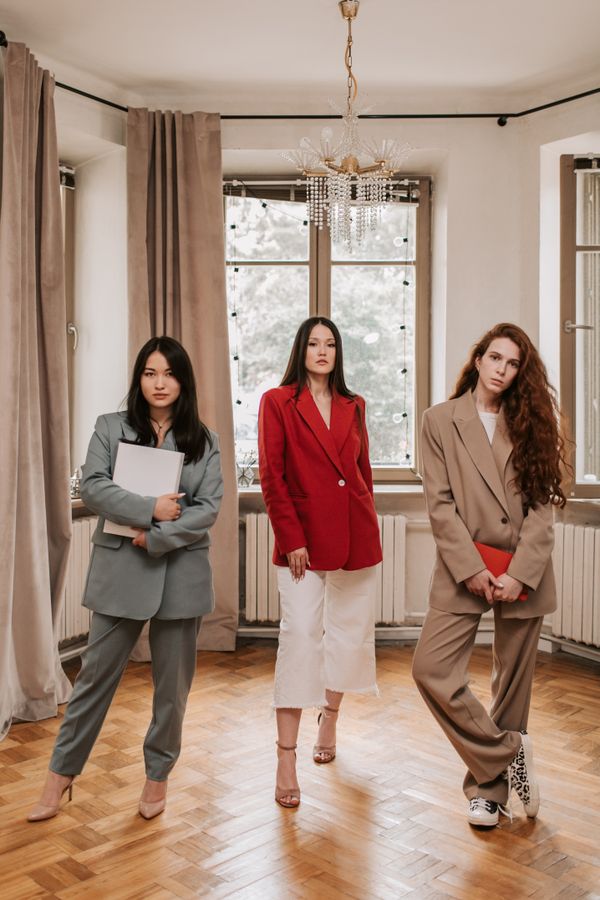
r has evolved significantly from the rigid dress codes of the past. With the rise of diverse work environments, including traditional corporate offices, tech startups, and remote work settings, understanding the nuances of office attire has become essential. This article explores the current trends, guidelines, and considerations for dressing appropriately in various professional contexts.
#### The Evolution of Office Wear
Historically, office wear was synonymous with formal attire. Men wore suits and ties, while women donned skirts, blouses, and dresses. This formal dress code was a symbol of professionalism and respect for the workplace. However, the rigid boundaries of traditional office wear have relaxed over time, influenced by cultural shifts, changes in work environments, and the rise of creative industries.
#### Business Formal
Business formal remains the gold standard in conservative industries such as law, finance, and certain corporate settings. This dress code typically includes:
- **For Men:** A dark suit (navy, black, or gray), a dress shirt, a tie, polished dress shoes, and minimal accessories.
- **For Women:** A tailored dress, skirt suit, or pantsuit, paired with a blouse, closed-toe shoes, and subtle jewelry.
Adhering to a business formal dress code conveys a sense of authority, reliability, and respect for tradition. It’s crucial for situations involving client meetings, presentations, and other high-stakes professional engagements.
#### Business Casual
Business casual has gained popularity as workplaces seek to balance professionalism with comfort. This dress code allows for more flexibility while maintaining a polished appearance. Key elements include:
- **For Men:** Dress pants or khakis, collared shirts (such as polo shirts or button-downs), and loafers or dress shoes. Ties are optional.
- **For Women:** Dress pants or skirts, blouses or sweaters, and closed-toe shoes. Dresses that are not overly formal also fit within this category.
Business casual is ideal for everyday office wear in environments where interactions with clients or high-level executives are less frequent.
#### Smart Casual
Smart casual is a versatile dress code that blends elements of casual wear with a touch of sophistication. It’s particularly prevalent in creative industries and te

ch startups, where individuality and comfort are valued. Smart casual includes:
- **For Men:** Chinos or well-fitted jeans, button-down shirts, sweaters, and casual loafers or clean sneakers.
- **For Women:** Casual dresses, skirts, tailored pants, blouses, or stylish tops, and versatile footwear ranging from flats to low heels.
Smart casual offers the freedom to express personal style while maintaining a professional image.
#### Casual
Some modern workplaces, especially in the tech sector, have embraced a casual dress code. This approach prioritizes comfort and practicality, reflecting a more relaxed office culture. Casual attire may include:
- **For Men and Women:** Jeans, t-shirts, casual sweaters, and sneakers or casual shoes.
While casual dress codes are becoming more common, it’s important to ensure that clothing is clean, well-maintained, and appropriate for the workplace to avoid appearing unprofessional.
#### Dressing for Remote Work
The rise of remote work has introduced new dynamics to office wear. While it might be tempting to stay in pajamas all day, dressing appropriately can boost productivity and maintain a sense of routine. For video calls and virtual meetings, it’s advisable to wear:
- **Professional tops:** Collared shirts, blouses, or professional-looking sweaters.
- **Comfortable bottoms:** While the camera typically only captures the upper body, wearing comfortable yet presentable pants can enhance your overall work mindset.
#### Practical Tips for Office Wear
1. **Know Your Audience:** Tailor your attire to suit your workplace culture and the expectations of your colleagues and clients.
2. **Invest in Quality:** Quality clothing not only looks better but also lasts longer, providing better value in the long run.
3. **Pay Attention to Fit:** Well-fitted clothes enhance your appearance and comfort.
4. **Keep It Neat:** Ensure your clothes are clean, ironed, and in good condition.
5. **Accessorize Wisely:** Use accessories to add a personal touch to your outfit, but avoid overdoing it.
#### Conclusion
Navigating the complexities of office wear involves balancing personal style with professional expectations. By understanding the different dress codes and adapting to your specific work environment, you can present yourself confidently and a

ppropriately in any professional setting. As workplaces continue to evolve, so too will the standards of office attire, reflecting broader cultural shifts and the diverse nature of modern employment.

0 Comments